The modern internet has become the foundation of business communication, research, marketing, compliance, education, and digital collaboration. Every day, organizations publish new webpages, update existing content, launch promotional campaigns, and share critical information online. As websites continue to grow in complexity and length, preserving their content accurately has become increasingly important.
Many professionals assume that a standard screenshot is sufficient for documentation. However, traditional screenshots only capture the visible section of a webpage, leaving significant portions of content hidden below the screen. This limitation can create incomplete records and make it difficult to verify information later.
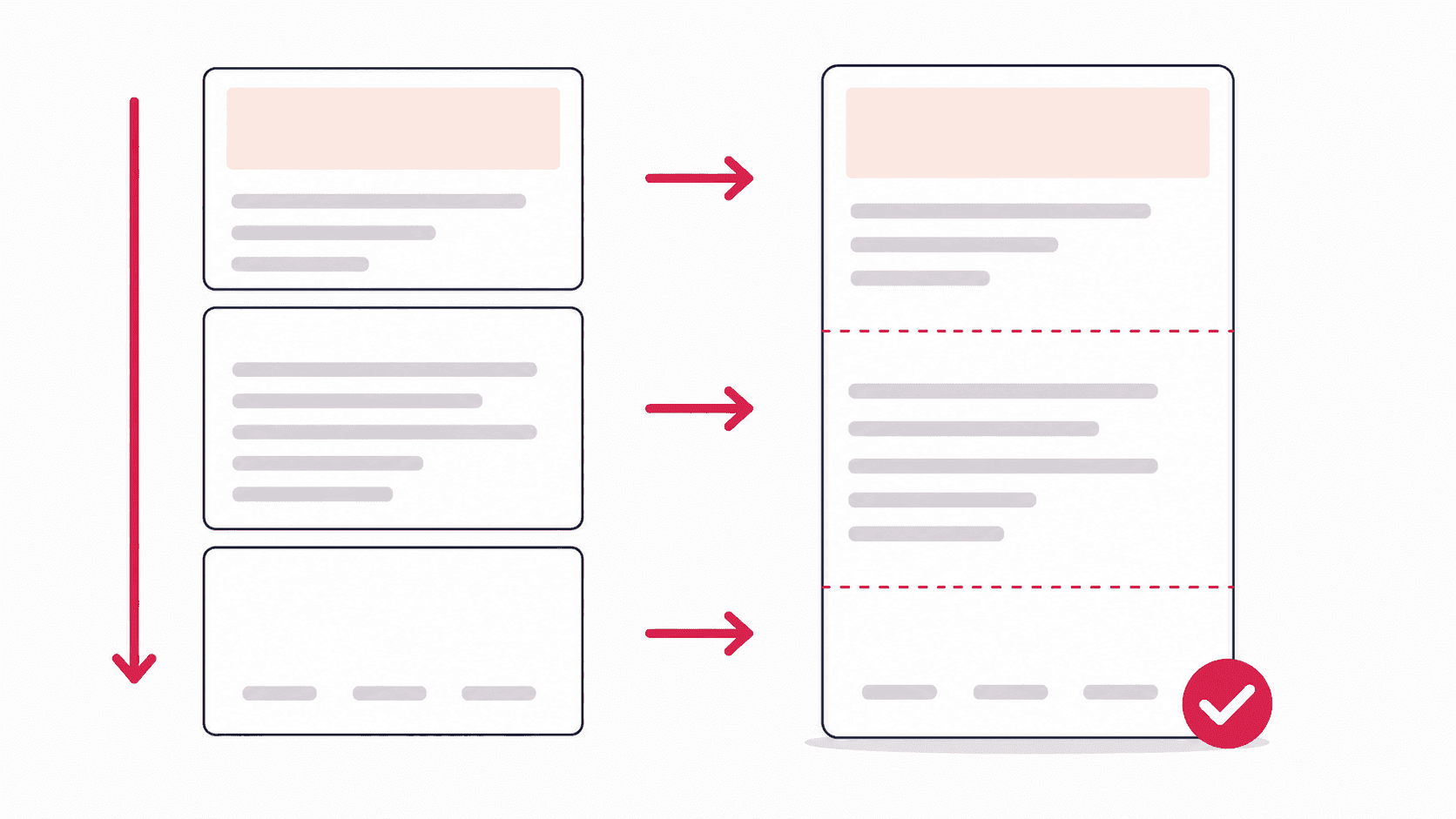
This is why Screenshot whole page solutions have become an essential tool for businesses and professionals. By capturing an entire webpage from top to bottom, these solutions create a complete visual record that can be stored, shared, reviewed, and referenced whenever needed.
At Fullpage Screen Shotting, we believe effective web documentation goes beyond simply saving images. It involves preserving context, maintaining evidence, and ensuring information remains accessible in its original form. This guide explores why complete webpage captures matter, how organizations benefit from them, and what practices deliver the most reliable results.
Why Complete Webpage Records Matter in Modern Workflows
Digital information changes constantly. A webpage published today may look entirely different next week. Product descriptions are updated, prices change, marketing messages evolve, and website layouts are redesigned. Without proper documentation, valuable information can disappear permanently.
Organizations increasingly depend on digital records to support internal processes and external requirements. Complete webpage documentation provides an accurate historical snapshot that can be referenced long after changes occur.
Businesses use webpage records for quality assurance, legal reviews, compliance audits, project management, and performance tracking. These records eliminate uncertainty by showing exactly how content appeared at a specific moment in time.
As digital transformation continues across industries, organizations that prioritize accurate web documentation gain a significant advantage in maintaining transparency, accountability, and operational efficiency.
Key Situations Where Screenshot Whole Page Delivers Better Results
Certain tasks demand more than a standard screenshot. In these situations, Screenshot whole page technology provides superior accuracy, completeness, and reliability.
Website Audits
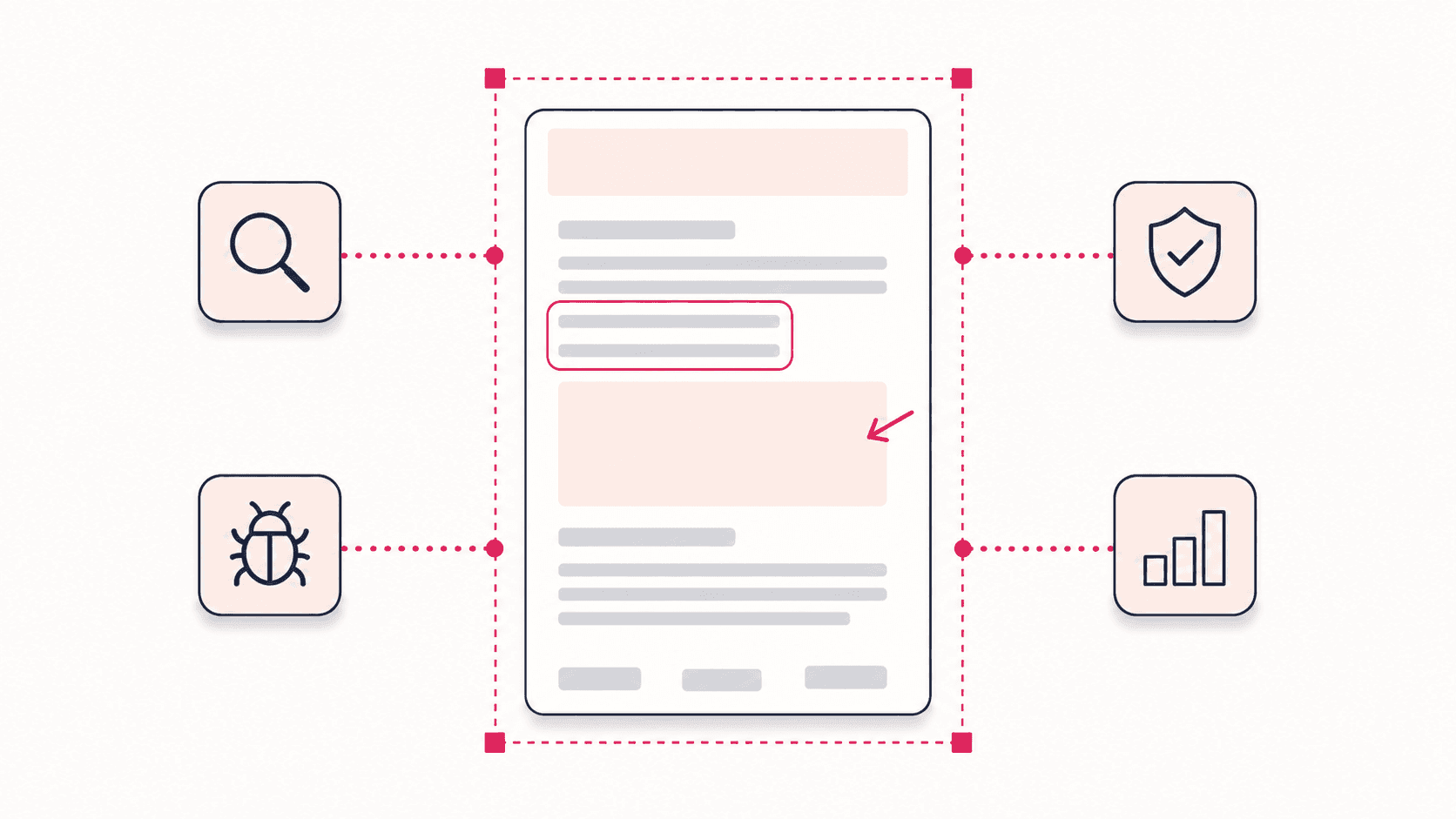
- Enables SEO specialists, designers, developers, and content strategists to review an entire webpage in a single capture.
- Helps identify issues related to navigation, page structure, content placement, and user experience.
- Eliminates the risk of missing important information located below the fold.
- Supports more comprehensive and accurate website evaluations.
Compliance Documentation
- Creates verifiable records of website content for regulatory and legal purposes.
- Preserves privacy policies, disclosures, terms, and advertising claims as they appeared at a specific time.
- Helps organizations demonstrate compliance during audits and reviews.
- Reduces risks associated with missing or incomplete documentation.
Research and Archiving
- Preserves online content before it is updated, modified, or removed.
- Maintains reliable references for academic, business, and industry research.
- Supports long-term knowledge management and historical record keeping.
- Ensures important digital information remains accessible in its original format.
Competitor Analysis
- Captures complete competitor webpages for strategic review.
- Tracks changes in products, services, pricing, promotions, and website design.
- Creates historical records that support market research and business planning.
- Helps teams identify trends, opportunities, and competitive advantages.
Client Reporting
- Provides visual proof of completed work, website updates, and campaign implementations.
- Enhances transparency between agencies, consultants, and clients.
- Makes reports more engaging and easier to understand.
- Validates project outcomes with clear, comprehensive webpage records.
The ability to preserve entire webpages helps organizations work more effectively across these scenarios, making Screenshot whole page an essential capability for modern digital documentation.
How Full-Page Captures Improve Digital Evidence Collection
Digital evidence plays an increasingly important role in modern business operations. Whether resolving disputes, conducting investigations, validating claims, or maintaining compliance records, organizations often depend on accurate documentation.
Full-page captures improve evidence collection because they preserve context. Instead of documenting only selected portions of a webpage, they capture the entire page as users experienced it.
Consider a promotional offer displayed on a website. A standard screenshot may show the offer itself but omit disclaimers, eligibility requirements, or supporting details located elsewhere on the page. A complete webpage capture preserves all relevant information and provides a more accurate representation.
Essential Features to Look for in a Screenshot Whole Page Tool
Selecting the right capture solution is essential for achieving consistent and reliable documentation results. While many tools offer screenshot functionality
| Feature | Why It Matters | Business Benefit |
|---|---|---|
| High-Resolution Output | Ensures text, graphics, charts, tables, and interface elements remain clear and readable, even when zoomed in. | Improves documentation accuracy and makes detailed webpage records easier to review and share. |
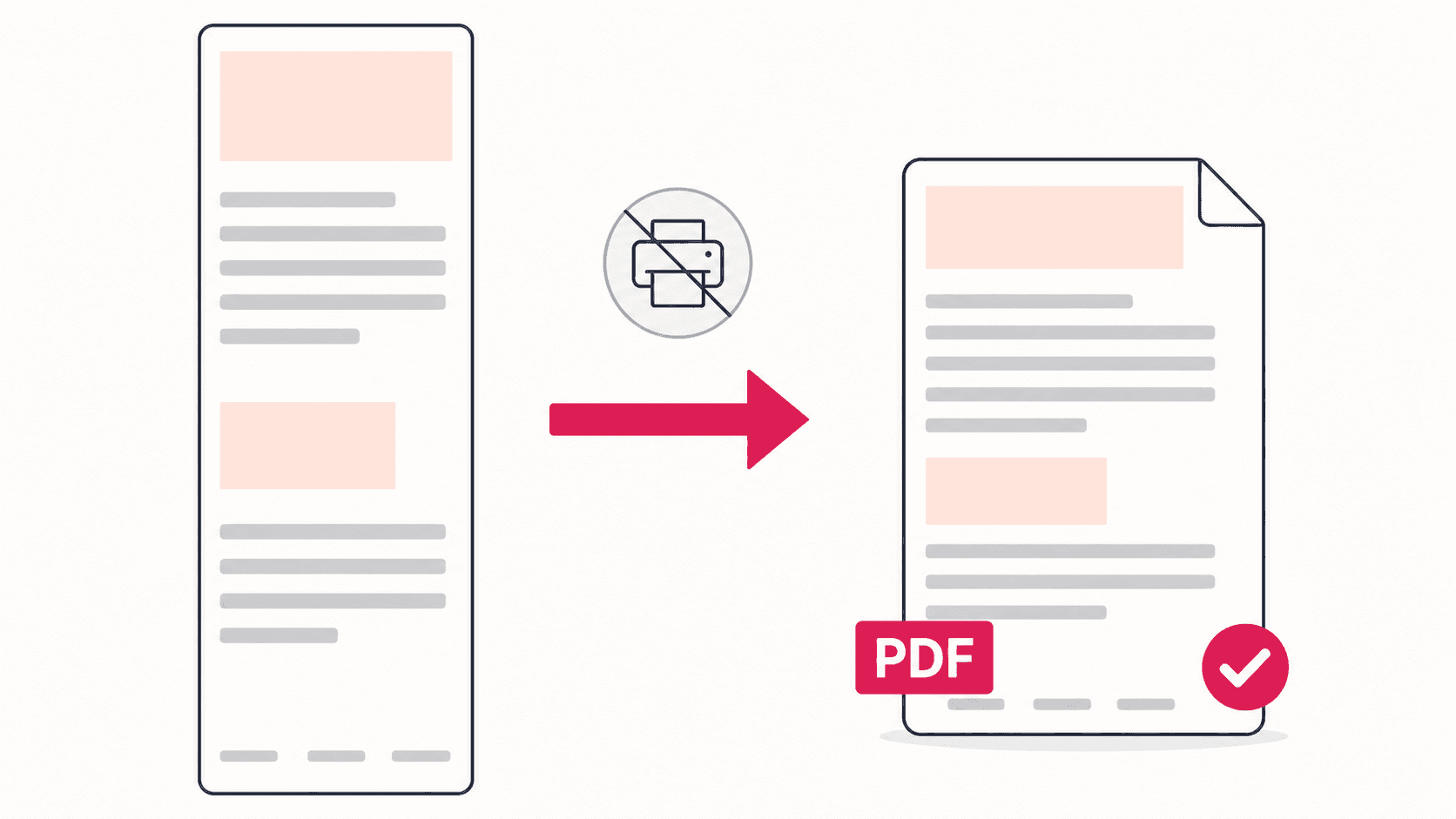
| PDF Export | Converts webpage captures into a widely accepted format that preserves layout and formatting. | Simplifies reporting, compliance documentation, archiving, and stakeholder sharing. |
| Cloud Storage | Allows captures to be stored securely and accessed from multiple locations and devices. | Enhances collaboration, centralizes records, and reduces the risk of losing important documentation. |
| Automated Capture | Enables scheduled or recurring webpage captures without manual intervention. | Saves time, improves workflow efficiency, and ensures consistent documentation practices. |
| Browser Compatibility | Supports webpage capture across major browsers while maintaining consistent quality. | Provides reliable documentation regardless of the browser used to access the webpage. |
| Version Tracking | Maintains historical records of webpage changes over time. | Helps teams compare updates, monitor website evolution, and maintain audit trails. |
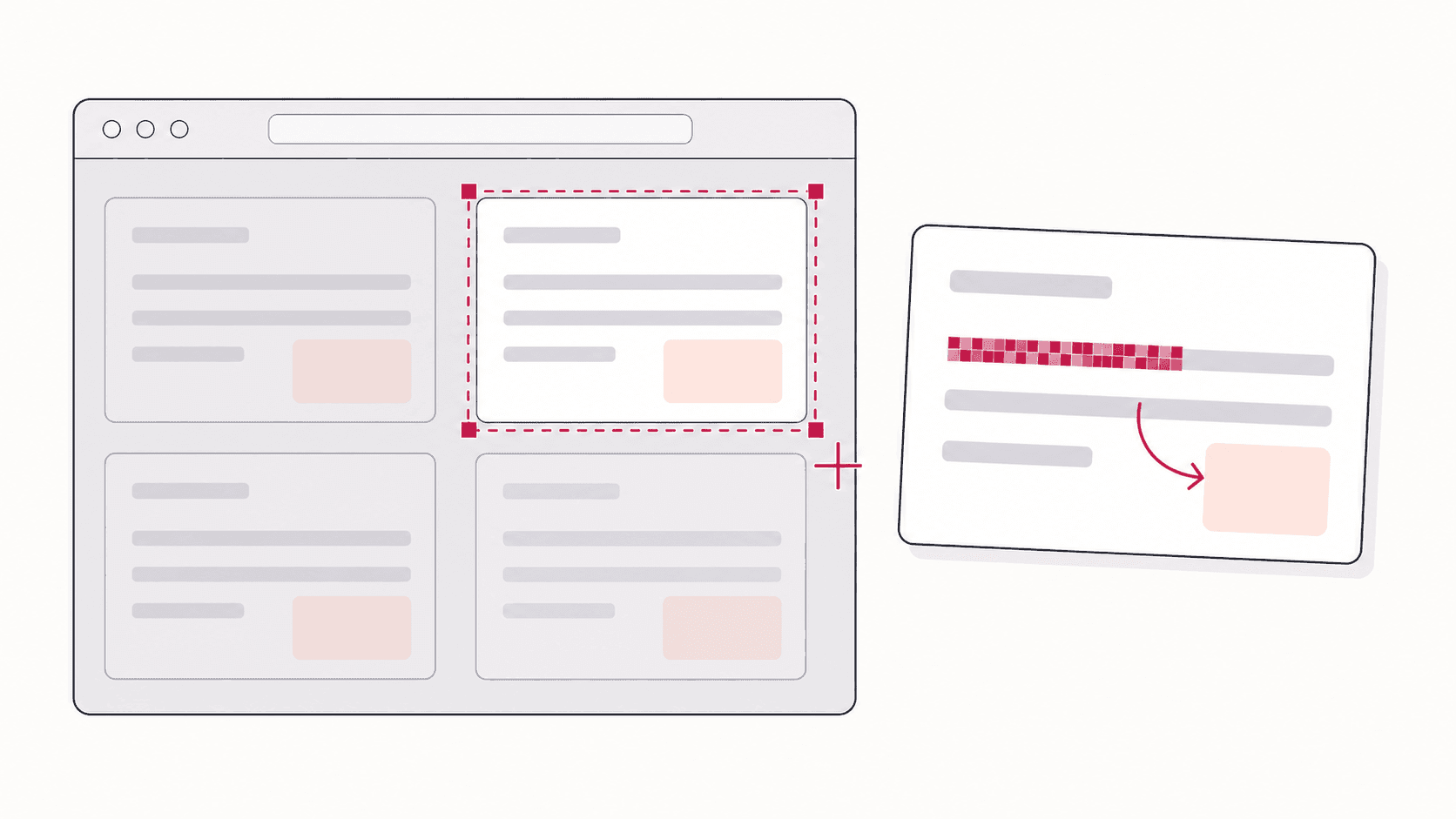
| Annotation Tools | Allows users to highlight, comment on, or mark important sections within captures. | Improves team communication and makes reviews more actionable. |
| Scheduled Archiving | Automatically stores webpage records at predefined intervals. | Ensures continuous documentation and supports long-term compliance and record-keeping requirements. |
Organizations seeking dependable documentation should evaluate these features carefully when selecting a Screenshot whole page solution. Choosing a tool that aligns with current workflows and future documentation needs helps ensure long-term efficiency, accuracy, and scalability.
Common Challenges During Long Page Captures and Their Solutions
Despite advancements in capture technology, users may occasionally encounter challenges when documenting lengthy or complex webpages.
One common issue involves dynamic content. Modern websites often load content as users scroll. Images, videos, and interactive elements may appear only after certain sections become visible.
To address this challenge, users should verify that all content has loaded before initiating the capture process. Reliable capture tools are designed to accommodate dynamic content and improve overall accuracy.
Another challenge relates to exceptionally long webpages. Pages containing extensive media, product catalogs, or large amounts of text can create processing demands.
Optimized capture software helps manage these scenarios efficiently while maintaining image quality throughout the entire page.
Best Practices for Creating Accurate Full Webpage Records
Successful documentation depends on more than technology alone. Following established best practices helps ensure captures remain accurate, organized, and useful over time.
Begin by confirming that the webpage has fully loaded. Check for hidden sections, expandable content, and embedded media that may contain important information.
Use descriptive file names that include dates, project identifiers, and version details. Proper naming conventions simplify future retrieval and improve archive organization.
Store records in secure locations with backup systems in place. Documentation only provides value if it remains accessible when needed.
Regularly review capture settings to ensure image quality meets organizational standards. Consistency is particularly important when records are used for compliance, reporting, or legal purposes.
How Teams Use Screenshot Whole Page for Collaboration and Reporting
Collaboration is a critical component of modern business operations. Teams frequently work across departments, locations, and time zones. Clear communication becomes essential for maintaining productivity and achieving project goals.
Complete webpage captures provide a shared visual reference that improves collaboration. Team members can review the same webpage record without needing access to a live website.
Marketing departments use Screenshot whole page records to discuss campaign performance and content updates. Designers review page layouts during redesign projects. Developers reference captures when troubleshooting issues or implementing changes.
Project managers often include webpage records within status reports to provide stakeholders with clear visual evidence of progress. This approach improves transparency and reduces misunderstandings.
Industries That Benefit Most From Complete Page Captures
Many industries rely on webpage documentation, but some benefit particularly strongly from comprehensive capture solutions.
Marketing
Marketing professionals frequently monitor campaigns, landing pages, advertisements, and competitor activities. Complete webpage records help teams track changes and measure effectiveness over time.
Development
Development teams use webpage captures to document existing site structures before implementing updates. These records provide valuable references during redesign and maintenance projects.
Legal
Legal professionals often require evidence of online content for investigations, disputes, and compliance reviews. Accurate webpage records support documentation requirements and strengthen evidence collection efforts.
Education
Educational institutions increasingly depend on digital resources. Capturing webpages helps preserve learning materials, research references, and online publications.
Ecommerce
Online retailers frequently update product information, pricing, and promotional offers. Complete webpage documentation provides historical records that support business analysis and customer service activities.
Organizations across these industries often use tools capable of Screen capture whole page functionality to preserve important information and maintain reliable records.
Some businesses also implement Screen capture whole web page processes as part of routine documentation workflows, ensuring critical online assets remain accessible even after website updates occur.
Future Trends Shaping Full-Page Web Capture Technology
The future of webpage capture technology is closely connected to broader developments in digital transformation, automation, and data management.
Artificial intelligence is expected to enhance capture workflows through intelligent content recognition, automated categorization, and advanced search capabilities. These improvements will help organizations manage growing documentation archives more efficiently.
Cloud-based platforms will continue expanding collaboration capabilities, enabling teams to access records from virtually anywhere. Integration with project management and compliance systems is also likely to become more common.
Enhanced automation will allow organizations to schedule captures, monitor website changes, and generate documentation without manual intervention.
Conclusion
Digital information changes rapidly, making accurate documentation more important than ever. Organizations across industries rely on complete webpage records to support compliance, research, auditing, reporting, collaboration, and evidence collection.
Throughout this guide, we explored why webpage documentation matters, the situations where Screenshot whole page delivers superior results, and the best practices that improve documentation quality. We also examined the features organizations should consider when selecting capture tools and discussed emerging trends shaping the future of web documentation.
At Fullpage Screen Shotting, we recognize that accurate records are essential for informed decision-making and operational success. Investing in reliable webpage capture solutions helps organizations preserve valuable information, improve accountability, and maintain confidence in their digital documentation processes.
Frequently Asked Questions
1. Why is a complete webpage capture better than a regular screenshot?
A complete webpage capture records the entire page from top to bottom, while a regular screenshot only captures the visible screen area. Full-page captures provide better context, improve documentation accuracy, and preserve all relevant information.
2. Who benefits most from full-page webpage documentation?
Marketing teams, developers, legal professionals, researchers, educators, compliance officers, and ecommerce businesses all benefit from comprehensive webpage documentation because it creates reliable records and supports informed decision-making.
3. What should I look for in a webpage capture solution?
Important features include high-resolution output, PDF export capabilities, cloud storage, browser compatibility, automation options, and reliable handling of dynamic webpage content. These features help ensure accurate and efficient documentation.